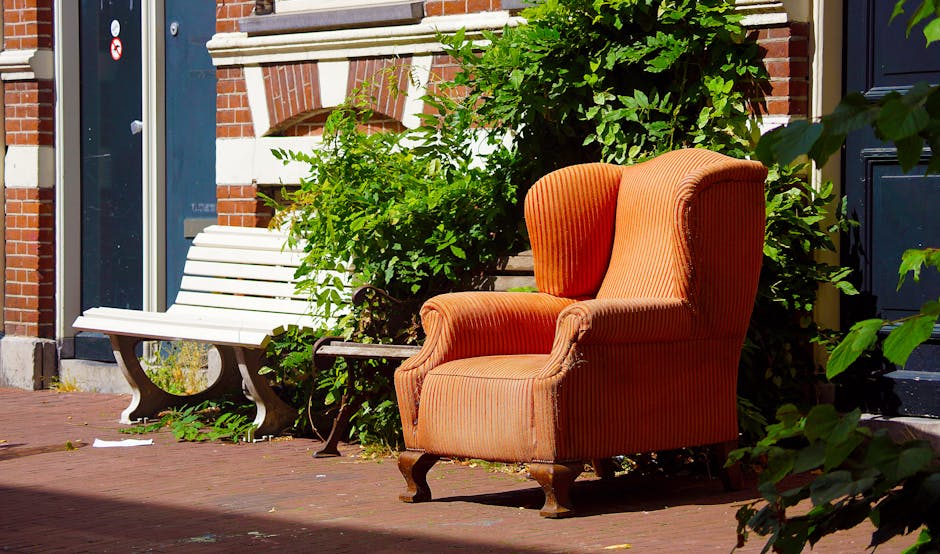
Bulky furniture disposal during Muswell Hill moves: a practical, local guide
Moving house is already a juggling act. Add a heavy wardrobe, a battered sofa, or a king-size bed frame that somehow got heavier since last year, and the whole thing can start to feel messy fast. Bulky furniture disposal during Muswell Hill moves is often the hidden task that decides whether a move feels organised or completely rushed.
Truth be told, most people do not need more moving boxes. They need a sensible plan for the pieces that will not be going with them. Maybe the chest of drawers does not fit the new flat. Maybe the mattress has had its day. Or maybe the office desk has survived one move too many and is finally calling time. Whatever the reason, getting rid of large items properly saves space, time, and a fair bit of stress.
This guide breaks the process down in plain English. You will see how bulky furniture disposal usually works, when to do it, what to avoid, and how it links with a smoother moving day in Muswell Hill. If you are also trying to sort packing, cleaning, storage, or a full property move, useful related guidance like mindful decluttering before a move and strategic packing for a swift house move can help the whole plan come together neatly.
Table of Contents
- Why bulky furniture disposal matters
- How the process works
- Key benefits and practical advantages
- Who this is for and when it makes sense
- Step-by-step guidance
- Expert tips for better results
- Common mistakes to avoid
- Tools, resources and recommendations
- Law, compliance and best practice
- Options and comparison table
- Real-world example
- Practical checklist
- Conclusion
- Frequently asked questions
Why Bulky furniture disposal during Muswell Hill moves Matters
Large furniture is not just another item to tick off the list. It affects access, timing, vehicle space, lifting safety, and even what can realistically fit into the next property. In a neighbourhood like Muswell Hill, where homes can involve stairs, tight hallways, basement levels, narrow entrances, or awkward parking, one oversized item can slow the whole move down.
People often underestimate the domino effect. A sofa that stays in the hallway while movers are trying to carry boxes can create a bottleneck. A wardrobe that should have been dismantled can turn into a last-minute scramble. And if you are moving from a flat, the issue can become even more noticeable. Services such as flat removals in Muswell Hill are often helped by deciding early which bulky pieces stay and which go.
There is also the emotional side. Furniture is personal. It holds stories, and sometimes a surprising amount of guilt. People keep things far longer than they mean to because they do not want waste, or because disposal feels like one more admin task they simply cannot face. That is understandable. But a calm, tidy disposal plan can make the move lighter in every sense.
Key takeaway: dealing with unwanted bulky furniture before moving day usually makes the rest of the move faster, safer, and less chaotic. It is one of those jobs that pays you back straight away.
How Bulky furniture disposal during Muswell Hill moves Works
There is no single way to handle large-item disposal, because every move is a little different. The process usually starts with a quick review of each item: can it be reused, sold, donated, recycled, or should it be removed as waste? That decision matters. Once you know the destination, you can decide how much time, labour, and vehicle space you need.
In practical terms, bulky furniture disposal during a move often happens in one of four ways:
- Pre-move clearance: unwanted furniture is removed before the main moving day so the property is easier to pack and load.
- Move-day removal: items are taken away at the same time as the move, usually when the removal team has the right vehicle and lifting equipment.
- Split approach: usable pieces are moved to the new home while broken or surplus items are disposed of separately.
- Temporary storage decision: items are placed in storage in Muswell Hill while you decide whether to keep, sell, or donate them.
The right route depends on condition, size, access, and how quickly you need the space cleared. A sofa with a loose leg may be repairable. A water-damaged wardrobe probably is not. A dining table might be fine, but far too large for the next property. You get the idea.
Some moves also need more specialised handling. For example, if your bulky item is not just large but delicate, such as a piano, it is worth reading about safe piano moving expertise and the dedicated piano removals service in Muswell Hill. Not every heavy item is the same, and treating them all the same is where things go wrong.
Key Benefits and Practical Advantages
The biggest benefit is obvious: less clutter. But the real value goes deeper than that. When bulky furniture is handled well, you reduce risk, save time, and make the new space feel usable much sooner.
- Safer lifting: fewer large items means fewer opportunities for back strain, trapped fingers, or damage to walls and flooring.
- Faster move day: the team can work through the property without stopping to negotiate around leftover furniture.
- Better vehicle planning: if a van is not being filled with items you no longer want, the load can be arranged more efficiently.
- Cleaner handover: removing surplus furniture before leaving can make cleaning and final checks much easier. The pre-move house cleaning guide is useful here.
- Less stress in the new home: you are not unpacking around things you should have let go of in the first place.
There is a hidden benefit too: clarity. Once you remove the oversized pieces that do not serve you anymore, the move becomes more intentional. You stop dragging old decisions into a new chapter. Sounds a bit dramatic, perhaps, but it is true.
If you are moving on a tight schedule, using a service that combines transport with organised furniture handling can help. Pages like furniture removals in Muswell Hill and removal services in Muswell Hill are useful starting points when you need both movement and disposal coordinated properly.
Who This Is For and When It Makes Sense
This kind of planning is not only for huge family houses. In fact, many people in Muswell Hill need bulky furniture disposal because they are moving from smaller homes where every square metre matters.
It makes particular sense if you are:
- moving from a flat with narrow stair access
- downsizing into a smaller property
- replacing old furniture instead of moving it again
- clearing a rental before handing it back
- getting a home ready for sale or refurbishment
- handling an office move with redundant desks, cabinets, or chairs
Students, for example, often have awkward combinations of cheap furniture, last-minute purchases, and limited lift access. That is where student removals in Muswell Hill can be a very practical fit. On the other hand, office moves may generate a different kind of bulky waste, especially when old storage units or workstations no longer match the new layout. In that case, office removals in Muswell Hill can help keep the process orderly.
And sometimes the problem is simply this: the furniture technically still exists, but no one actually wants to move it. Let's face it, a tired sofa with a sagging middle has probably done enough service already.
Step-by-Step Guidance
A good disposal plan does not need to be complicated. It just needs to be honest and early. If you leave it until the day before the move, the expensive and inconvenient version of the story tends to happen. The cleaner version looks like this:
- Walk through every room. Decide which items are definitely going, definitely staying, and still under review.
- Measure the bulky pieces. Check doorways, stair turns, lifts, and the dimensions of the new property. Sometimes an item is not rubbish at all; it just does not fit.
- Separate by condition. Group furniture into reusable, repairable, recyclable, and disposal-only categories.
- Choose the right route. Selling, donating, storing, dismantling, or removing as waste all require different levels of effort.
- Dismantle when sensible. Beds, wardrobes, and some shelving units are easier and safer in parts. If you are moving a bed, the article on moving beds and mattresses seamlessly is worth a look.
- Protect the property. Use blankets, corner guards, tape used carefully, and clear routes to avoid scuffs.
- Book disposal or removals early. Busy moving periods fill up quickly. If you need a van and labour together, a man with a van in Muswell Hill or man and van service in Muswell Hill may be the simpler option.
- Do a final sweep. Check cupboards, behind doors, and under beds. People forget things there all the time. Always.
If you are moving out of a house rather than a flat, the sequence still matters. A full house removals service in Muswell Hill can be much smoother when the bulky items have already been assessed and reduced.
Expert Tips for Better Results
Here is where a little experience goes a long way. Some of these points are small, but they make a real difference on the day.
- Start with the hardest item first. If the wardrobe is obviously staying or going, decide that early. The indecision usually causes more delays than the lifting.
- Take photos before dismantling. Helpful for reassembly, sale listings, or explaining the condition of an item to a removal team.
- Keep screws and fittings together. A labelled bag taped to the frame saves the classic "where on earth did that go?" moment.
- Use proper lifting technique. Bend at the knees, keep the load close, and do not twist under pressure. If you want a deeper refresher, this guide to heavy lifting covers the basics well.
- Think about access before you book. A van parked a little too far from the door can add a surprising amount of strain.
- Match the service to the item. A standard sofa and a baby grand piano are not the same problem. Not even close.
A good rule of thumb: if you feel unsure about a piece because it is awkward, precious, or simply too large to manage safely, stop and ask for a proper assessment. That pause can prevent a scratched wall, a strained shoulder, or a ruined afternoon.
And to be fair, some jobs are just easier when someone else has the correct tools and a calm approach. That is not weakness; that is common sense.
Common Mistakes to Avoid
Most disposal problems are predictable. That is the slightly annoying part. The good news is they are usually avoidable too.
- Leaving it too late: bulky items need decisions, not just enthusiasm.
- Forgetting access restrictions: tight stairwells, parking limitations, and lift availability can all affect how a piece gets out.
- Assuming everything can be lifted as-is: beds, wardrobes, and large cabinets often need dismantling.
- Ignoring condition: if a piece is damaged beyond practical reuse, trying to sell it may waste more time than it saves.
- Not planning for recycling: some items may need separate handling, especially if they mix wood, metal, fabric, or foam.
- Using the wrong vehicle size: one too-small van can turn a simple disposal job into multiple wasted trips.
There is also the classic mistake of keeping "maybe" furniture until the end. You know the one. The shelf unit you have not liked for three years. The armchair no one sits in. The backup table that only exists because it has always existed. If it does not have a real role in the next home, it probably belongs on the disposal list.
When moving is already full of decisions, removing the uncertain ones early helps a lot. Small win, big relief.
Tools, Resources and Recommendations
You do not need a warehouse of equipment, but a few practical items can make bulky furniture disposal much easier.
- Measuring tape: useful for checking doorways, stairs, lift openings, and the furniture itself.
- Basic toolkit: screwdrivers, Allen keys, spanners, and a small labelled pouch for fittings.
- Furniture blankets: good for protecting surfaces and walls during movement.
- Straps or trolley aids: helpful for heavier items where balance matters.
- Strong gloves: useful when handling splintery wood, sharp staples, or worn upholstery edges.
- Markers and tape: for labelling dismantled sections.
From a service perspective, it helps to look for a team that can handle the full job rather than just the easy half of it. That might mean a removal van, a lifting team, or a more complete moving package. Relevant pages include removal van hire in Muswell Hill, removal companies in Muswell Hill, and removals in Muswell Hill.
If you are still weighing up what to keep, store, or let go, a calmer longer-term option may help. Some households choose long-term sofa storage guidance while they decide what fits the next chapter.
Law, Compliance, Standards, or Best Practice
For bulky furniture disposal, the most sensible approach is to follow accepted UK waste-handling and property-care best practice. That means treating disposal as a managed process, not an afterthought. You should be careful about where items go, avoid fly-tipping, and use legitimate disposal routes for anything that cannot simply be reused or passed on.
If a service is helping with removal, it is reasonable to expect clear communication about what is being moved, what is being disposed of, and how items are handled. For peace of mind, check the provider's policies around health and safety, insurance and safety, and recycling and sustainability.
It is also wise to understand the terms of service before booking. That includes payment terms, cancellation expectations, and what happens if access is difficult on the day. If you want to review the basics first, the pages on pricing and quotes, payment and security, and terms and conditions are sensible places to start.
One more practical note: if an item includes electrical parts, batteries, or unusual materials, it should be handled with extra care. You do not need to overcomplicate it, but you do need to avoid casual disposal. Better safe than sorry, as they say.
Options, Methods, or Comparison Table
Different furniture disposal methods suit different situations. Here is a straightforward comparison to help you choose the most practical route.
| Method | Best for | Advantages | Watch out for |
|---|---|---|---|
| Reuse or donation | Clean, usable furniture | Reduces waste, may help someone else | Collection criteria, timing, and condition standards |
| Sale or giveaway | Items with remaining value | Can offset moving costs | Photography, messaging, and arranging collection takes time |
| Storage | Furniture you may keep but cannot move yet | Buys time for decision-making | Storage fees and the risk of delaying the decision too long |
| Professional removal | Large, awkward, or heavy pieces | Safer and usually quicker | Choose the right service for access and item type |
| DIY disposal | Small volumes and confident movers | Flexible if you already have transport | Heavy lifting, vehicle suitability, and disposal rules |
In many Muswell Hill moves, the best answer is a mix. One or two items go into storage, one gets sold, and the damaged cabinet is removed professionally. That blend is often more realistic than trying to force one single solution onto everything.
Case Study or Real-World Example
Picture a couple moving from a two-bedroom flat near the high street into a smaller townhouse. They have a large wardrobe, a heavy sofa, an old bed frame, and a dining table that technically fits the new home but blocks the only sensible seating layout. Initially, they plan to move everything and decide later. Very normal. Also very risky.
Once they measure the new rooms properly, the picture changes. The wardrobe will not fit upstairs without major dismantling. The sofa is still usable, but only if it is preserved carefully. The dining table is nice, but too bulky for the new layout. So they separate the load into three groups: keep, dispose, and review later.
They contact a local team for the heavy lifting and use a combination of removal and disposal support rather than attempting to do it all themselves. By the time moving day arrives, the route through the property is clear, the van is loaded more efficiently, and the handover is tidy. Nothing dramatic happened. That is the point. The move felt easier because the decisions happened early.
This is also where related planning helps. A page like the step-by-step relocation guide and the broader services overview can give you a clearer sense of how the pieces fit together.
Practical Checklist
Use this checklist a few days before the move. It is simple, but it works.
- Identify every bulky item in the property.
- Measure the item and the route out of the property.
- Decide whether each item will be kept, sold, donated, stored, or removed.
- Check if any item needs dismantling.
- Remove contents from drawers, shelves, and hidden compartments.
- Label screws, fittings, and loose parts.
- Protect floors, corners, and door frames.
- Confirm parking and access for the removal vehicle.
- Book support early if the item is too large for safe DIY handling.
- Do a final room-by-room sweep before leaving.
Quick expert summary: the best bulky furniture disposal plan is early, realistic, and matched to the item's condition. If an item is awkward, oversized, or not worth the energy of keeping, decide that before moving day turns up and starts making its own choices for you.
Get a free quote today and see how much you can save.
Conclusion
Bulky furniture disposal during a Muswell Hill move does not need to be the most stressful part of the process. Once you look at it properly, it becomes a series of practical decisions: what stays, what goes, what needs dismantling, and what needs a safer way out. That clarity makes the whole move more manageable.
Whether you are clearing a flat, a family home, a student property, or an office, the same principle holds true: the earlier you deal with the large pieces, the smoother everything else becomes. Less clutter. Less lifting. Less last-minute panic. And, ideally, a move that feels much more under control.
If nothing else, remember this: a good move is not only about getting items from one place to another. It is about taking the right things with you. The rest can finally be released.
Frequently Asked Questions
What counts as bulky furniture during a move?
Bulky furniture is usually any item that is heavy, awkward, or difficult to carry without planning. Sofas, wardrobes, dining tables, beds, mattresses, bookcases, desks, and large cabinets are common examples.
Should I dispose of furniture before or on moving day?
Before moving day is usually better, especially if the item is not being kept. It reduces clutter, speeds up loading, and gives you more control over access and timing. If the removal is being handled alongside the move, though, doing it on the same day can still work well.
Can I move bulky furniture from a Muswell Hill flat without dismantling it?
Sometimes yes, but often no. It depends on stair width, lift access, hallway bends, and the furniture size. In smaller flats, dismantling is often the safer and easier option.
What should I do with furniture that is still usable?
Usable items are often best sold, donated, or kept in storage if you are undecided. The right choice depends on condition, time available, and whether the item makes sense in the next property.
Is it worth storing bulky furniture instead of disposing of it?
It can be, if the item has real value or you are simply not ready to decide yet. Storage is useful for good-quality pieces, but it should not become a delay tactic for items you already know you do not want.
How can I avoid damaging walls or floors when removing heavy furniture?
Clear the route first, use protective blankets where appropriate, and make sure the item is properly lifted or wheeled. Taking an extra minute to prepare is far easier than repairing a dented wall later.
Do I need a specialist service for every large item?
No, not every item needs specialist handling. But awkward, fragile, or especially heavy pieces are better handled by experienced movers. A piano, for example, is a very different challenge from a standard dining chair.
How far in advance should I plan bulky furniture disposal?
A few weeks ahead is ideal, especially if you need quotes, access planning, dismantling, or storage. If your move is urgent, you can still organise it, but the options may be narrower.
What happens if my bulky furniture cannot fit into the new home?
That usually means you need to choose between disposing of it, storing it, or altering the plan for the room. Measuring the new property before moving day helps avoid this problem.
Can a removal team help with disposal as well as transport?
Often yes, depending on the service. Many people find it easier to use one coordinated team rather than booking transport and disposal separately. It keeps the job simpler and usually less chaotic.
What are the biggest mistakes people make with bulky furniture disposal?
The most common mistakes are leaving it too late, not measuring properly, forgetting dismantling needs, and underestimating how much space large items take on the van and in the property.
Is bulky furniture disposal different for office moves?
Yes, office moves often involve desks, storage units, chairs, and meeting tables, which can create a different kind of access and loading challenge. The planning is similar, but the volume and layout can be more complicated.
Where should I start if I feel overwhelmed?
Start with one room and one item category at a time. Decide what stays, what goes, and what needs a professional eye. Small, tidy decisions build momentum quickly, and that momentum matters more than people realise.