Colney Hatch Lane Moves in Muswell Hill: Narrow-Street Tips
Posted on 02/06/2026
Colney Hatch Lane Moves in Muswell Hill: Narrow-Street Tips for a Smoother Moving Day
Moving on Colney Hatch Lane can feel straightforward on a map and then, suddenly, very not straightforward in real life. The street is busy, the access can be tight, parking is often awkward, and one badly timed van arrival can throw off the whole day. If you are planning a move in Muswell Hill, these narrow-street tips are designed to help you avoid that last-minute scramble and keep the day calm enough to breathe.
This guide covers how Colney Hatch Lane moves in Muswell Hill usually work, what makes narrow-street relocations different, and how to plan for vans, parking, loading, bulky items, and neighbour considerations without making the day harder than it needs to be. Truth be told, a little preparation goes a long way here.
If you want a broader planning framework as well, you may also find the step-by-step guide to stress-free relocation useful alongside this local advice.
Why Colney Hatch Lane Moves in Muswell Hill: Narrow-Street Tips Matters
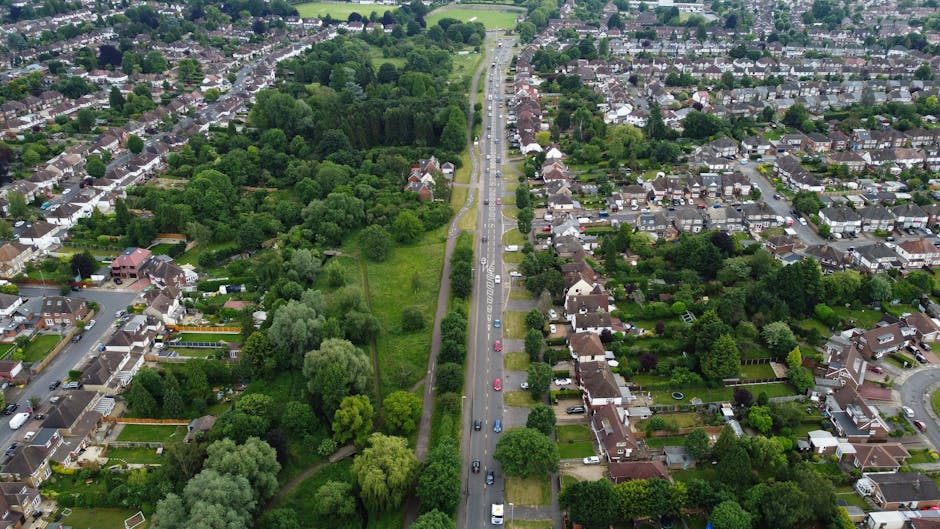
Colney Hatch Lane sits in an area where access can be more demanding than people expect. Even a short local move can become fiddly if a removal van cannot stop close to the entrance, if the pavement is narrow, or if the building sits on a road with passing traffic that never seems to slow down. That is why narrow-street planning matters so much.
On a wide suburban road, movers can often park, unload, and work at a steady pace. On a tighter Muswell Hill street, the same job may need more coordination, more carrying distance, and more attention to timing. You are not just moving boxes. You are managing space, vehicles, neighbours, weather, and the clock all at once.
For flat moves, student relocations, or smaller house moves, that extra complexity can be the difference between a controlled day and a stressful one. If you are comparing service options, the removals Muswell Hill page and the broader services overview can help you see what support is available for different move sizes.
It also helps to understand that the narrow-street issue is not just about vehicles. It affects how you pack, how you label items, whether you split the move into phases, and whether you need extra hands for awkward furniture. That is the real picture.
How Colney Hatch Lane Moves in Muswell Hill: Narrow-Street Tips Works
The basic idea is simple: reduce the number of surprises before moving day starts. In practice, this means planning access, sizing the van properly, preparing items for quicker loading, and making sure everyone knows what happens if parking is unavailable outside the property.
Most narrow-street moves work best when the plan includes three things:
- Access planning - where the van can stop, how long it can stay, and whether a second stop is needed.
- Item preparation - the faster items are dismantled, boxed, wrapped, or staged, the less time you spend blocking the street.
- Load sequencing - heavy, fragile, and awkward pieces should be loaded in a deliberate order, not at random.
That last point is easy to underestimate. A sofa wedged in the hallway or a mattress propped at an awkward angle can slow everything down. If you have large items, the pages on furniture removals in Muswell Hill and moving your bed and mattress seamlessly are useful reading before move day.
There is also a human side to this. A narrow street adds a bit of pressure, especially if neighbours are coming and going or the weather turns damp just as you are carrying the first box. Planning for a slower, steadier rhythm usually beats trying to force speed where the street simply will not allow it.
Key Benefits and Practical Advantages
Good narrow-street planning does more than make the day feel calmer. It can protect belongings, reduce the chance of delays, and help you avoid unnecessary carrying or double-handling. That matters a lot when you are moving on a road where every extra step feels longer than it sounds.
Here are the biggest advantages:
- Less downtime because the team knows where to park and where to stage items.
- Lower damage risk because fewer rushed turns and fewer awkward lifts are needed.
- Better neighbour relations because loading is tidier and less disruptive.
- Cleaner building access because hallways and doorways are not left cluttered for long.
- More predictable costs because delays and repeated trips are less likely.
There is a practical bonus too: when packing is done well, unloading at the new property is smoother as well. For ideas on organising boxes so the van can be loaded efficiently, see strategic packing for a swift and easy house move and the local packing and boxes Muswell Hill page.
Small detail, big effect. A taped box with a clear room label can shave off minutes, and minutes matter when the van is trying to work around traffic, parked cars, and narrow pavement space.
Who This Is For and When It Makes Sense
These tips are useful for almost anyone moving in or around Muswell Hill, but they are especially relevant if your property sits on or near a tighter road with limited stopping space. That includes many flats, maisonettes, and terraced homes where front access is not generous.
This approach makes sense for:
- families moving house with multiple rooms of furniture
- tenants leaving flats where stair access and parking are both tight
- students moving between shared accommodation and storage
- people moving a few large items rather than a full household
- anyone needing a same-day or time-sensitive move
If you are a student, a fast and light service can be more suitable than a full-scale house move. The student removals Muswell Hill page is a helpful place to start. If you are working to a tight deadline, same-day removals may be worth considering too, though narrow-street access still needs to be planned properly.
In our experience, these moves also suit anyone who values a clear, no-drama handover. If you have a check-out deadline, children underfoot, or an elderly relative waiting to settle into the new place, a little structure can take a lot of pressure off the day. And honestly, who needs extra chaos on moving day?
Step-by-Step Guidance
Here is a practical way to approach a narrow-street move on Colney Hatch Lane or a similar road in Muswell Hill.
1. Check access before you book anything
Look at the street in person if you can. Notice where cars normally park, whether there is enough room for a van to stop safely, and whether the property entrance is easy to reach with boxes. If the road is busy at certain times, that matters too. A move starting at 8 a.m. may be very different from one starting after school-run traffic has built up.
2. Measure the awkward bits
Doorways, stair turns, and hallway bends are the trouble spots. Measure your widest items and compare them with the tightest route inside the property. This is especially important for wardrobes, beds, sofas, and pianos. If a piece will need dismantling, do that before the clock starts ticking. For specialist items, see piano removals in Muswell Hill and the expertise required for moving your beloved piano safely.
3. Decide how the van will load and unload
Think in terms of sequence, not just boxes. What goes in first? What should be last off the van? Which items need wrapping or extra protection before they leave the property? The best loads are built deliberately. Heavy items low, fragile items protected, and everyday boxes close to the door for quick handling.
4. Create a parking plan
Parking is often the part that causes the most friction. If there is no obvious bay or private drive, agree in advance on the best stopping point and the fallback option if that space is taken. That way, the move does not stall while someone circles the street with the tail lights on and everyone waiting.
5. Stage items inside the property
Whenever possible, place packed boxes and dismantled pieces near the exit before the vehicle arrives. That shortens the carry route and reduces congestion in the hallway. Just keep walkways clear enough for safe movement. A hallway full of half-packed items is, to be fair, a trip hazard waiting to happen.
6. Load with the road in mind
On a narrow street, the loading rhythm should be tidy and efficient. The team should avoid leaving items on the pavement longer than necessary and should work in a way that keeps access clear for others. This is where experience really shows.
7. Finish with a quick sweep
Before leaving, check for small items in cupboards, behind doors, and under radiators or beds. The little things are easy to forget when the day is moving quickly. A charger, a set of keys, or the kettle bag can be the one thing you miss until later that evening. That familiar sinking feeling... not ideal.
Expert Tips for Better Results
Once the basics are in place, these extra moves can make a narrow-street relocation noticeably smoother.
- Use smaller boxes for heavy items. A box that is too large becomes awkward fast, especially on stairs.
- Wrap handles and corners. Door frames, banisters, and furniture edges suffer most during tight manoeuvres.
- Keep a clear "first off" box. Put essentials in one obvious place so you are not hunting for toiletries or chargers later.
- Disassemble what you can. Beds, table legs, and shelving often move better in parts than as one bulky unit.
- Think about weather. A wet pavement changes grip and slows everything down, so plan a little extra time on rainy days.
If decluttering is still on your to-do list, do not leave it until the final evening. Reducing volume makes narrow access easier and often cheaper in practice. A useful companion read is mindfully decluttering strategies for a stress-free move.
One more thing: if you are moving a sofa, take care with fabric, corners, and stairwells. The article on preserving your sofa has ideas that also apply during transport, not only storage. The same goes for kitchen appliances if you are boxing them up for later; see proper freezer storage guidance for careful prep habits that carry over nicely.
Common Mistakes to Avoid
Most problems on narrow streets are predictable, which is annoying, but also useful. If you know the usual traps, you can avoid them.
- Booking too large a vehicle without checking whether it can stop safely outside the property.
- Leaving packing too late and ending up with loose items that slow the loading process.
- Ignoring stair width or landing turns until the mattress is halfway up the flight.
- Assuming parking will "just work" because it usually does not, not on a busy street.
- Forgetting building rules for flats, shared entrances, or managed properties.
- Trying to move too many heavy pieces at once instead of splitting the job sensibly.
If you are doing some of the loading yourself, be careful with solo lifting. A good practical reminder is the guide on safe solo heavy lifting. It is one of those things people think they can wing, right up until a wardrobe corner meets a wall.
Another common issue is poor communication. If the mover does not know which items are fragile, which items are staying, or which entrance is easiest to use, everything takes longer. A five-minute conversation can save twenty minutes of confusion later.
Tools, Resources and Recommendations
You do not need a truckload of gear to handle a narrow-street move well, but a few practical tools make a real difference.
| Tool or Resource | Why It Helps | Best Use |
|---|---|---|
| Furniture blankets | Protects edges, doors, and finishes during tight manoeuvres | Sofas, tables, wardrobes, cabinets |
| Ratchet straps or tie-downs | Keeps items stable in the van | Stacked furniture and mixed loads |
| Strong tape and labels | Makes boxes easier to identify quickly | Room-by-room packing |
| Furniture sliders or a sack truck | Reduces strain during short internal moves | Heavy boxes, appliances, compact furniture |
| Reusable covers | Keeps upholstery and mattresses cleaner in transit | Beds, sofas, soft furnishings |
For people who want support rather than just tools, it may be worth comparing a man with a van in Muswell Hill, a man and van service, or a larger removal van Muswell Hill setup. The best choice depends on volume, access, and how much lifting you want to handle yourself.
For bigger or more complex moves, it can also help to review house removals in Muswell Hill and the wider removal services options. Sometimes the right choice is simply the one that makes the day less chaotic. Sensible, really.
Law, Compliance, Standards, or Best Practice
Narrow-street moving is partly a logistics challenge and partly a public-space responsibility. While exact parking rules depend on the location and timing, it is sensible to follow local parking restrictions, avoid blocking access, and keep pavements as clear as possible for pedestrians and neighbours.
Good practice also means using safe lifting methods, suitable equipment, and reasonable care around shared entrances and communal areas. For example, in flats and converted houses, movers should protect walls, floor finishes, and door frames where practical. That is especially relevant if the property has tight stair turns or common hallways.
From a business and customer perspective, it is also worth checking insurance, safety policies, and terms before booking. If you want to know how a provider handles these issues, the insurance and safety page, health and safety policy, and terms and conditions are the right places to look.
Responsible moving also includes sustainability where possible. Reusing boxes, donating unwanted items, and disposing of waste properly all reduce the mess left behind. If that matters to you, have a look at recycling and sustainability. It is a small thing that feels better at the end of the day.
Options, Methods, or Comparison Table
There are several ways to handle a narrow-street move. The right one depends on how much you are moving, how tight the access is, and how much time you have.
| Approach | Best For | Pros | Watch Out For |
|---|---|---|---|
| DIY with a hired van | Small moves, confident packers, flexible timing | Lower direct cost, more control | Parking stress, heavy lifting, time overruns |
| Man and van | Medium moves, local relocations, single-day jobs | Good balance of help and flexibility | Still needs clear access planning |
| Full removal service | Larger homes, awkward furniture, tighter schedules | More hands, better speed, reduced strain | Needs more coordination in advance |
| Same-day move support | Urgent departures or unexpected timing changes | Fast response, practical when time is short | Less room for error; access details must be accurate |
To be fair, the cheapest option is not always the best value if it creates stress, damages items, or takes twice as long. If you want pricing clarity before deciding, the pricing and quotes page is a sensible next stop.
Case Study or Real-World Example
Here is a realistic example. Imagine a two-bedroom flat just off Colney Hatch Lane. The road has limited stopping room, there is a parked car opposite the building, and the flat is on the first floor with a narrow turn on the landing. Nothing dramatic, but enough to make the move feel tricky if it is not planned.
The move goes better when the following happens:
- the largest furniture is dismantled the day before
- boxes are grouped by room near the entrance
- fragile items are labelled clearly
- the van arrives at a time when road traffic is quieter
- a fallback parking spot is agreed in advance
The result? Less time spent carrying items up and down stairs, fewer pauses in the hallway, and no frantic rearranging of the load halfway through. The move still takes effort, because moving always does, but it feels controlled instead of frantic. That shift matters.
If a sofa, bed frame, or piano is part of the load, specialised handling is worth considering rather than hoping for the best. You can compare relevant support through flat removals Muswell Hill and furniture removals Muswell Hill, depending on what you are moving.
Practical Checklist
Use this checklist the day before and again on the morning of the move.
- Confirm the move time and contact number.
- Check parking and access on Colney Hatch Lane or the nearest equivalent road.
- Measure large furniture and compare it with doorways and stairs.
- Disassemble beds, tables, or shelving if needed.
- Pack heavy items into smaller boxes.
- Label every box by room and priority.
- Set aside valuables, documents, keys, and chargers.
- Protect floors, corners, and furniture edges where practical.
- Keep hallways and exits clear.
- Have water, snacks, and a quick first-night essentials bag ready.
Expert summary: The smoothest narrow-street moves are rarely the fastest on paper. They are the ones that are planned with realistic timing, small-box packing, clear access routes, and one simple rule: do not make the street work harder than it has to.
Conclusion
Colney Hatch Lane moves in Muswell Hill call for a bit of street-smart planning, not panic. Once you account for access, parking, loading order, and the realities of a tighter road, the whole process becomes more manageable. That is the real win here.
Whether you are moving a flat, a family home, or a few large pieces, the key is to prepare for the road as much as for the property itself. Pack with the route in mind. Measure awkward items. Book the right level of support. And leave a little breathing room in the schedule, because things always take longer than the neat plan on the fridge.
If you are still weighing up your next step, start with the service that matches your move size, then work backwards from access and timing. That simple approach usually saves hassle, and sometimes a fair bit of lifting too.
Get a free quote today and see how much you can save.
And if the day feels a bit bigger than expected, that is normal. Take it one box at a time. The street may be narrow, but the path through it can still be steady.