Staircase-only flats in Muswell Hill: safe move strategies
Posted on 10/06/2026

Moving out of a flat with no lift can feel strangely personal. Every box, chair, and awkwardly shaped lamp has to earn its way down a narrow staircase, and Muswell Hill has plenty of buildings where that reality is just part of the deal. If you are planning a move from a staircase-only flat in Muswell Hill, safe move strategies are not a luxury; they are the difference between a controlled move and a chaotic one with scuffed walls, strained backs, and a lot of muttered apologies. This guide walks through what to expect, how to prepare, and how to move sensibly without making the stairwell the enemy.
We will cover the practical stuff that actually matters: risk points, packing order, lifting technique, what to do with bulky furniture, how to plan around the building layout, and when it makes sense to bring in professionals. You will also find a checklist, a comparison table, and a realistic example from a typical Muswell Hill move. Nothing fluffy. Just the sort of advice that helps on moving day when the kettle is packed and the hallway already feels too small.
Why Staircase-only flats in Muswell Hill: safe move strategies Matters
Staircase-only flats create a very specific moving challenge. The stairwell becomes both the route and the risk. In a liftless building, the margin for error is thinner: large furniture can catch on turns, boxed items can become unstable on the descent, and tired people make rushed decisions. That is where safe move strategies earn their keep.
In Muswell Hill, many homes have character: older layouts, tighter entrances, staircases with turns, and landings that were not designed with modern sofas in mind. To be fair, that charm is one reason people love living here. But charm does not move the wardrobe for you. The practical reality is that a staircase-only flat needs better sequencing, more careful packing, and a calmer pace than a ground-floor move.
It also matters because moving damage is often not dramatic at first. A small scrape on a bannister, a box dropped from waist height, or a mattress dragged at the wrong angle may seem minor in the moment. Later, though, the costs show up: cracked frames, sore shoulders, damaged plaster, or a move that takes twice as long as planned. A proper strategy reduces all of that.
If your move includes furniture that is especially awkward, it can help to read about moving beds and mattresses safely and, for larger household pieces, professional furniture removals in Muswell Hill. Those two areas alone account for a lot of stairwell stress, frankly.
How Staircase-only flats in Muswell Hill: safe move strategies Works
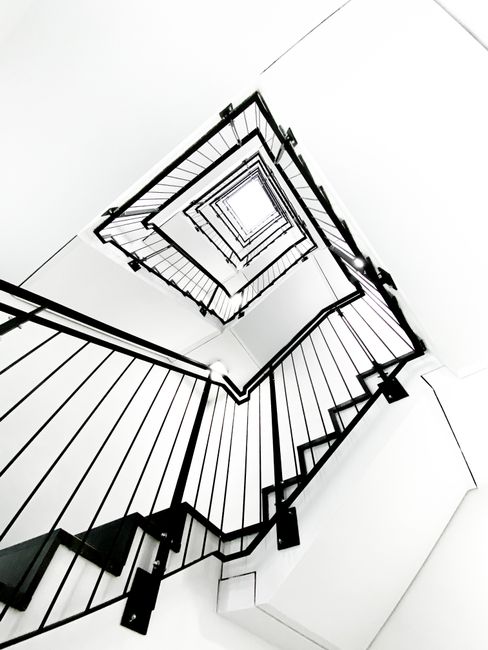
A staircase-only move works best when you treat the stairs as a single-use transport route and not just a place where people happen to walk. That means you plan the route, protect the surfaces, and move items in a deliberate order rather than chasing whatever seems convenient at the time.
Usually, the work happens in four phases:
- Assess the layout. Check stair width, turning space, ceiling height, handrail position, and any awkward bends.
- Prepare the load. Disassemble what you can, remove loose parts, and pack items so they are easier to carry.
- Protect the environment. Cover bannisters, corners, floors, and door frames if they are likely to take a knock.
- Move in a controlled sequence. Start with lighter or more manageable items, then move to larger pieces once the route is clear and people are not exhausted.
The key is to avoid turning the staircase into a bottleneck. Once a heavy item is halfway down and someone decides it is too wide, that is where the panic starts. You do not want panic on stairs. Nobody does.
There is also the human factor. One person can become the bottleneck even when several helpers are available. Decide in advance who is carrying, who is spotting, and who is taking items at the bottom. That small bit of structure keeps the whole process calmer. If you want a broader overview of relocation planning, the step-by-step guide to stress-free relocation is a helpful companion.
Key Benefits and Practical Advantages
When staircase moves are handled well, the benefits are immediate and very visible. It is not just about saving time, although that matters. It is also about preserving your energy, protecting your things, and avoiding avoidable damage.
- Less physical strain. Proper carrying technique and load planning reduce the chance of pulled muscles and clumsy drops.
- Lower risk of property damage. Better handling means fewer marks on walls, corners, and railings.
- Faster decision-making. When everything is prepped, you spend less time arguing over which item should go first.
- Cleaner loading at the van. Well-packed items stack more predictably and are easier to secure.
- Less stress overall. A move with a plan feels manageable, even if the staircase is narrow and the rain is doing that annoying sideways thing outside.
There is also a subtle benefit that people often overlook: confidence. Once you know the stair route is under control, the rest of the move gets easier to handle mentally. That counts for a lot. A move can feel like a marathon in small shoes, and confidence is the thing that keeps you moving.
For people with larger furniture or mixed household contents, services such as removals in Muswell Hill or house removals in Muswell Hill can reduce the pressure, especially when a staircase-only layout makes DIY lifting less appealing.
Who This Is For and When It Makes Sense
This approach is for anyone moving out of a flat where the only practical route is the stairs. That sounds obvious, but the situations vary quite a bit. You might be:
- leaving a top-floor flat in a period building
- moving from a split-level apartment with tight internal stairs
- trying to shift bulky items from a first-floor maisonette
- helping a student move out of an upper flat with limited access
- managing a last-minute move where time is short and the stairwell is the only option
It makes sense whenever the move includes furniture that is awkward, heavy, or simply too important to risk. A sofa, bed base, piano, freezer, or large wardrobe can all become harder than expected once stairs, corners, and door frames are involved.
If you are a student, the constraints can be even tighter because you often have less packing material, fewer helpers, and a smaller budget. In those cases, student removals in Muswell Hill can be a useful option. For a smaller load, a man and van service in Muswell Hill may be enough if the staircase and item list are manageable.
Truth be told, the biggest mistake is assuming all staircase-only moves are the same. They are not. A short, straight staircase is a very different beast from a narrow stairwell with a sharp turn and no natural landing space. The layout decides the tactics.
Step-by-Step Guidance
Here is a practical sequence that works well for staircase-only flats in Muswell Hill. Not glamorous, maybe, but solid.
1. Measure the move before you lift anything
Check the width of the stairwell, the size of the landing, the height of the ceilings, and the dimensions of your larger items. Measure furniture at its widest point, not just the overall frame. A wardrobe may fit in theory until you reach the turn halfway down the stairs. That is the moment everyone remembers measurements very clearly.
2. Separate what can be disassembled
Take off table legs, bed slats, mirror panels, detachable shelves, and removable handles. Put the screws and fittings in labelled bags and tape them to the relevant item if appropriate. This saves time later and avoids that classic move-day mystery: "Where did the bolts go?"
3. Pack with the stair route in mind
Heavy items should be packed into smaller, easier-to-carry containers rather than oversized boxes that wobble on the stairs. Use sturdy cartons for books, and keep fragile pieces cushioned but not overfilled. If you want packing methods that reduce faff, the article on strategic packing for a swift and easy house move is worth a look.
4. Protect the staircase and nearby surfaces
Use floor protection if you are carrying heavy items repeatedly. A stair runner can be vulnerable to scuffs, and paintwork on corners tends to show every bump. Even a folded blanket on a sharp edge can help if you are careful. Small effort, big payoff.
5. Set a moving order
Start with lighter boxes, then move medium items, and leave the biggest pieces for last once the route is clearer and the team is warmed up. You want momentum, not clutter in the hall. And definitely not a pile of random tote bags blocking the landing.
6. Use a spotter on the stairs
A spotter helps guide angle changes and warns the carrier about blind corners or low headroom. In a narrow staircase, the spotter is often the person who prevents the "oops" moment. That person matters more than you might think.
7. Load the van in the right sequence
Put the heaviest and most stable items in first, then build around them with lighter loads. Secure everything so it cannot shift during braking. If the van is not packed properly, the careful stair work is wasted at the loading stage.
8. Give yourself breaks
This one sounds basic, but people skip it. Stair moves are physically repetitive, and tired hands make poor decisions. Pause, drink water, and reset the route if needed. A five-minute break can prevent a fifty-minute problem.
Expert Tips for Better Results
There are a few small habits that make a staircase-only move much smoother. They are simple, but they are the sort of simple things that save you later.
- Wear proper footwear. Trainers with grip are much safer than slippery casual shoes or anything that makes you feel slightly floaty. Not the day for it.
- Keep one hand free when possible. If an item can be balanced safely, a free hand helps steady walls or railings while you move through a turn.
- Wrap sharp corners. Table edges, metal bed frames, and mirror corners are the usual culprits for scrapes.
- Communicate out loud. Say "turn," "step," "clear," or "pause" clearly. Quiet guessing on stairs is a bad plan.
- Work one item at a time. It is tempting to carry two small things because they look light. Sometimes that is fine. Often it just makes balance worse.
One more thing: if you are unsure whether a piece will fit through the staircase, test the angle before the actual move starts. That sounds obvious, but in the rush of moving day people often assume they will "sort it when they get there." That approach is how furniture ends up stuck, usually with someone standing there saying nothing helpful at all.
For awkward furniture like sofas, the guide on preserving a sofa during long-term storage also helps you think about padding and protection, which translates nicely to stair moves too. Similar story for oversized beds: bed and mattress moving advice can spare you a lot of grief.

Common Mistakes to Avoid
The bad news? Staircase moves expose mistakes fast. The good news is that most of them are predictable.
- Using boxes that are too large. Big boxes look efficient, then they become awkward, heavy, and unstable on stairs.
- Skipping the measuring stage. If you do not measure, you are basically gambling with your stairwell.
- Not clearing the route. Shoes, bins, lamps, and hall clutter all become obstacles under pressure.
- Trying to rush the heaviest item first. That usually leads to fatigue before the move has properly started.
- Ignoring wall and corner protection. A few minutes of prep can save a lot of repair work.
- Asking too few people to help. Or too many, without assigning roles. Either one can become messy.
A classic mistake in Muswell Hill is underestimating how different a flat's stairs can be from one building to the next. One address may have a generous stairwell, while another feels like it was designed for coats, not wardrobes. Same postcode, very different mood.
If you end up with items that simply will not suit the new place, planning for disposal or storage early can help. The page on bulky furniture disposal during Muswell Hill moves is useful for that sort of decision-making, and storage in Muswell Hill can be the better option when timing is tight.
Tools, Resources and Recommendations
You do not need a warehouse of equipment, but the right few items make a noticeable difference.
| Tool or resource | Why it helps | Best used for |
|---|---|---|
| Furniture blankets | Reduce scuffs and chip damage | Sofas, tables, bed frames, wardrobes |
| Ratchet straps or load straps | Hold items steady during loading and transport | Van loading and securing taller items |
| Sturdy gloves | Improve grip and protect hands | Carrying boxes, frames, and metal parts |
| Bubble wrap and corner protectors | Protect fragile edges and surfaces | Mirrors, glass, lamps, artwork |
| Labelling kit | Makes unpacking and reassembly much easier | Box sorting, hardware bags, room-by-room packing |
| Trolley or sack truck | Useful on flatter sections and at ground level | Heavy boxes before or after the stairs |
For packing supplies, packing and boxes in Muswell Hill is a practical place to start if you are organising materials rather than just trying to make do. If you prefer a hands-off move, removal services in Muswell Hill can be a more balanced choice than juggling everything yourself.
And if you are the sort of person who likes to declutter before anything gets packed, the article on mindful decluttering for a stress-free move is a sensible companion read. Less stuff. Less staircase pain. It really is that straightforward.
Law, Compliance, Standards, or Best Practice
For a staircase-only flat move, compliance is mostly about safety, responsibility, and common-sense handling rather than complicated formalities. In the UK, people moving home are generally expected to act carefully around shared areas, avoid obstruction, and prevent damage where reasonably possible. In practice, that means being considerate in communal hallways, keeping escape routes clear, and not blocking access for neighbours any longer than necessary.
When a move involves heavier lifting or repeated carrying, health and safety should be treated seriously. That includes assessing load weight, using enough people for the job, and stopping if a lift feels unsafe. You do not have to be dramatic about it. Just sensible. Back injuries and dropped items tend to happen when people try to "just push through."
For businesses or organised movers, documented safety processes, suitable insurance cover, and sensible handling methods are part of normal best practice. For householders, the same principles still apply in simpler form: plan the route, protect the property, and use adequate help. If you want to understand how a provider handles risk, the pages on health and safety policy and insurance and safety may help set expectations.
Accessibility matters too. Staircase-only moves can be especially hard for people with mobility issues, temporary injuries, or simply less physical capacity. In those cases, it is perfectly reasonable to choose a safer method rather than forcing a DIY approach. No medals are handed out for trying to carry a wardrobe down two flights while muttering through the pain.
Options, Methods, or Comparison Table
There is no one-size-fits-all solution. The right method depends on the size of the move, your budget, the staircase layout, and how much physical effort you want to take on.
| Method | Best for | Pros | Trade-offs |
|---|---|---|---|
| DIY with friends | Small flats, lighter loads, flexible timing | Budget-friendly, informal, easy to organise | Higher risk of fatigue, damage, and poor lifting technique |
| Man and van | Moderate moves with manageable access | Good value, quicker loading, more efficient transport | You still need clear packing and stair planning |
| Full removals service | Larger homes, bulky furniture, difficult staircases | More support, better handling, less stress | Usually costs more than a basic self-move |
| Storage-first approach | Moves with timing gaps or furniture decisions still pending | Reduces pressure, keeps non-essential items out of the way | Requires extra logistics and may add cost |
For a compact move with limited items, a man with a van in Muswell Hill can be a practical middle ground. If the move is bigger or the staircase is especially awkward, flat removals in Muswell Hill may be the better fit. That is not overthinking it. It is simply matching the method to the reality of the building.
Case Study or Real-World Example
Here is a realistic example. Imagine a two-bedroom flat on an upper floor near central Muswell Hill. The staircase is narrow, there is a bend halfway down, and the sofa is one of those "looks normal in the shop, behaves like a giant in the stairwell" pieces. The occupants have packed a mix of books, kitchen items, clothes, and a bed frame.
In a rushed version of the move, the team would probably start carrying whatever was nearest. The result? Boxes stacked in the hallway, someone trying to angle the sofa around a corner too late, and one person getting tired before the hardest item has even started. That is how moving day becomes a long afternoon and then a very long evening.
In the safer version, they begin the day by clearing the hallway, laying protection on the floor, and separating the furniture that needs disassembly. Boxes are labelled by room and packed so the heaviest ones stay small. The mattress is wrapped, the bed frame is partly dismantled, and the sofa is measured against the stairwell before anyone commits to the lift. A spotter is assigned, and the van is positioned so items can be loaded with minimal carrying.
The move still takes effort, of course. It always does. But the mood stays steadier, the property stays in better condition, and the team finishes with enough energy to unpack the essentials rather than collapsing on the floor beside a half-open bag of bedding. That is what a good strategy buys you: not perfection, just a calm enough day to get through it properly.
For moves that need a little extra speed, the notes on same-day moves for Fortis Green and Muswell Hill can be helpful. If your timing is more flexible, the best times for removals on Muswell Hill Broadway may help you avoid traffic and awkward loading windows.
Practical Checklist
Use this checklist as a final pre-move sanity check. It is short on purpose.
- Measure the stairwell, landings, and all major furniture items.
- Disassemble anything that can be safely taken apart.
- Pack heavy items into small, manageable boxes.
- Label boxes clearly by room and fragility.
- Protect floors, walls, door frames, and bannisters.
- Assign roles: carrier, spotter, loader, and van organiser.
- Clear the hall, landing, and stair route before moving starts.
- Keep drinks, basic tools, and tape within reach.
- Secure items in the van before driving away.
- Set aside a small essentials bag for the first evening.
If you are moving out of a furnished flat, it can also be worth checking whether any items should be cleaned or dealt with before handover. The pre-move-out cleaning guide is a handy final step, especially if you want to leave the place in good shape and avoid a last-minute scramble.
Expert summary: staircase-only moves are safest when you plan around the stairwell itself, keep loads small, protect the property, and choose the right level of moving support for the size of the job. Simple really, though not always easy.
Get a free quote today and see how much you can save.
Conclusion
Staircase-only flats in Muswell Hill are perfectly manageable, but they reward patience, clear planning, and realistic expectations. The move becomes easier when you stop treating the stairs as an afterthought and start treating them as the main part of the job. Measure carefully, pack smart, protect the route, and get enough help for the heavier pieces.
That approach saves time, reduces damage, and gives you a better chance of finishing the day with your energy intact. And honestly, that is a pretty good result for any move. One careful step at a time - that is usually how the best moving days work out.