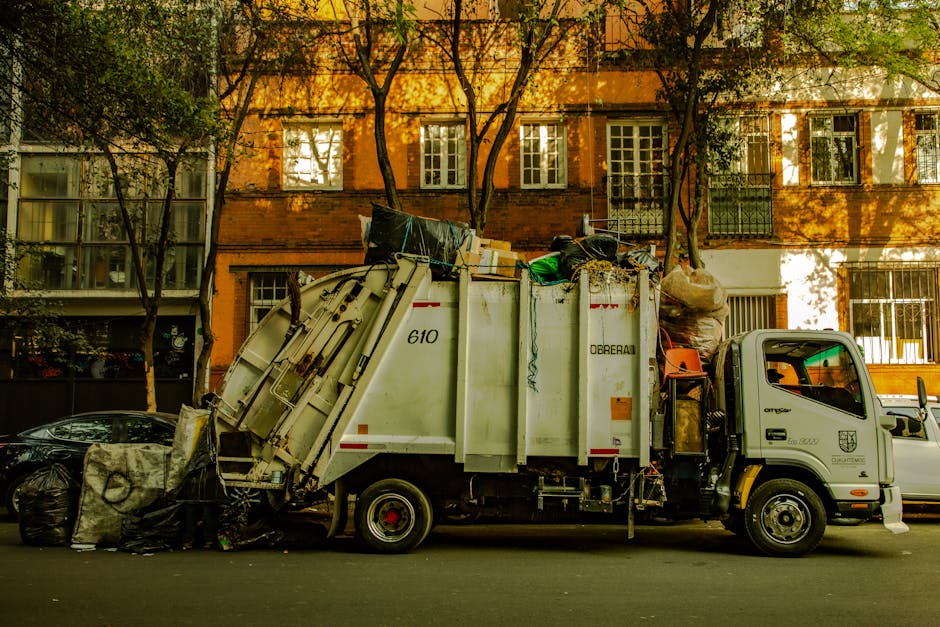
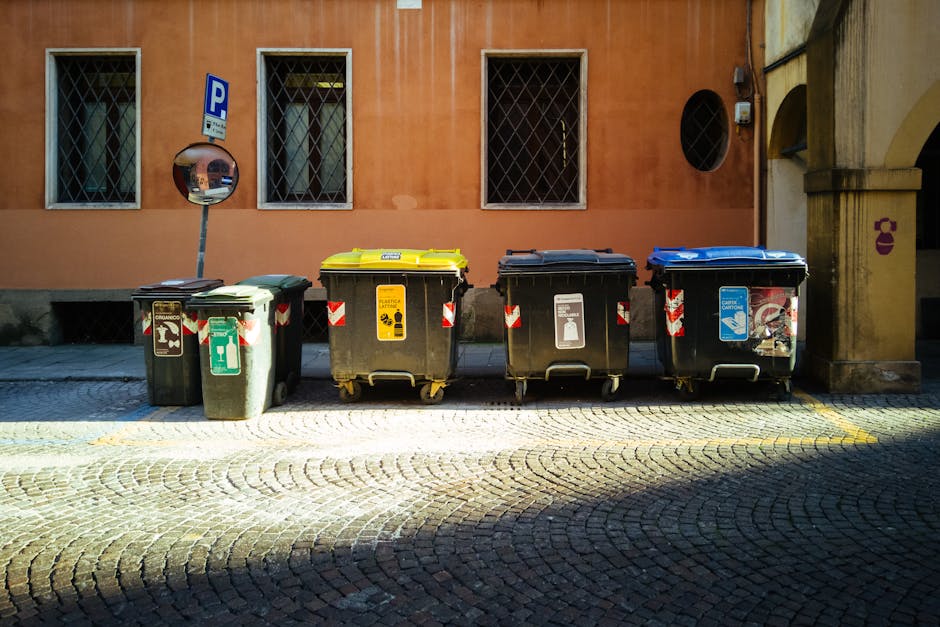
Waste disposal rules after a move in Muswell Hill explained
Moving house is noisy, messy, and strangely exhausting in all the little ways people never warn you about. One minute you are packing plates and charger cables, the next you are staring at broken boxes, old furniture, black sacks, and a pile of things you swore you would sort out "later". That is exactly why understanding waste disposal rules after a move in Muswell Hill explained matters. Get it wrong and you can end up with fly-tipping complaints, missed collections, or a last-minute scramble that eats into your moving week.
This guide breaks the process down in plain English. You will learn what counts as waste, what usually needs separating, how to avoid common mistakes, and how to handle bulky items, recycling, and leftover packing materials without making life harder than it already is. Truth be told, a little planning here saves a lot of stress.
For broader moving help, you may also find the site's home moves and removal services pages useful if you are still at the stage of organising the move itself.
Table of Contents
- Why these waste rules matter after a move
- How waste disposal works in practice
- Key benefits and practical advantages
- Who this is for and when it makes sense
- Step-by-step guidance
- Expert tips for better results
- Common mistakes to avoid
- Tools, resources and recommendations
- Law, compliance and best practice
- Options and comparison table
- Case study or real-world example
- Practical checklist
- Conclusion
- Frequently asked questions
Why Waste disposal rules after a move in Muswell Hill explained Matters
After a move, waste builds up fast. Cardboard stacks in the hallway. Bubble wrap ends up in the kitchen. A broken chair sits near the front door because it does not fit in the new place. If you simply leave everything out on the street or mix the wrong materials together, you create problems for yourself and for your neighbours.
In Muswell Hill, as in much of London, people live close together. Streets are busy, pavements are narrow, and skip space is limited. That means waste has to be handled with a bit more care than a typical clear-out in a suburban drive. A tidy approach is not just about manners. It reduces the risk of blocked access, pavement clutter, complaints, and extra disposal costs.
It also helps with time. Most people underestimate how long move-related waste lingers around the home. You think the job is done when the van leaves, but the after-effects can take another day or two. Boxes flatten slowly. Soft furnishings need sorting. Food waste from the old fridge still needs dealing with. A proper plan stops the chaos from spreading into the first week in your new place.
There is also a sustainability angle. A move is one of the easiest times to separate reusable items, recyclable packaging, and true rubbish. If you are careful now, less of your move ends up in landfill. That is better for your conscience, and frankly easier on your nerves too.
How Waste disposal rules after a move in Muswell Hill explained Works
The basic idea is simple: sort waste by type, keep hazardous items separate, and use the correct disposal route for each category. Sounds obvious, but moving day has a way of turning obvious things into a bit of a muddle.
1. General household waste
This is the everyday rubbish that cannot be reused or recycled. Think food scraps, damaged liners, broken odds and ends, and worn-out bits that have genuinely reached the end of the road. The key is not to overload one bag with mixed materials if it can be avoided. Heavy bags split. Split bags spill. Nobody wants that on the pavement at 8am.
2. Recyclable materials
Cardboard, some plastics, metal, and clean paper packaging are usually recyclable, but only if they are reasonably clean and sorted properly. Greasy takeaway boxes, for example, are not always accepted just because they look like cardboard. If the box has absorbed oil or food residue, it often needs to go in general waste.
3. Bulky items
Old mattresses, wardrobes, tables, shelving, and damaged sofas are the usual troublemakers after a move. These are not the sort of items you want to wrestle with alone if you can help it. In practice, bulky waste is often where a professional collection or furniture removal service becomes the sensible option, especially if stairs, traffic, or tight parking are involved.
4. Electricals and batteries
Anything with a plug, battery, or cable deserves extra caution. Small electricals, such as kettles or lamps, should not be mixed in with general rubbish. Batteries are a particular headache because they can be a fire risk if damaged. Keep them separate from the start, not at the end when you are tired and half-watching a box cutter.
5. Hazardous or specialist waste
Paint tins, cleaning chemicals, solvents, broken fluorescent tubes, sharp tools, and certain DIY leftovers may need separate handling. You should not just throw these into a bin bag and hope for the best. That is the kind of shortcut that causes problems later.
A useful rule of thumb: if you would hesitate to put it in a normal bin without thinking, stop and sort it first.
Key Benefits and Practical Advantages
Getting waste disposal right after a move does more than keep you tidy. It changes the whole pace of the week. Suddenly, the old place can be handed back cleanly, the new place is not filled with useless packaging, and you are not making repeated trips to the bin with one awkward object at a time.
- Less stress: You are not wondering where every item should go at the last minute.
- Cleaner handover: The old property is easier to leave in decent condition.
- Lower risk of fines or complaints: Proper disposal avoids obvious issues like fly-tipping or blocked communal areas.
- Better recycling outcomes: Reusable and recyclable items stay out of general waste.
- Safer moving day: Fewer loose items mean fewer trip hazards and less clutter.
There is a quieter benefit too. A move feels more finished when the waste is gone. The echo in an empty room, the last bit of tape pulled from the skirting board, the final flattened box taken away - small things, but they help you close the chapter properly.
Who This Is For and When It Makes Sense
This guidance is useful for just about anyone moving home in Muswell Hill, but it is especially helpful if you are dealing with more than just a few cardboard boxes.
- People moving from flats with limited bin storage
- Families clearing out wardrobes, lofts, or sheds before moving
- Renters trying to leave a property clean and ready for inspection
- Homeowners who have built up bulky clutter over time
- Anyone with old furniture or mixed rubbish after a refurbishment plus move
It also makes sense if you are short on time. Let's face it, most people are. If you are working full-time, juggling children, or trying to coordinate access times with landlords and removal teams, waste sorting can slide down the list quickly. That is usually the moment when a more organised approach pays off.
If your move includes packing help or dismantling furniture, the site's packing and unpacking services and furniture pick-up information may be useful alongside this guide.
Step-by-Step Guidance
Here is the cleanest way to handle post-move waste without turning your first week in Muswell Hill into a sorting marathon.
- Walk through every room before you throw anything away. People often bin items too quickly. Check drawers, cupboards, utility spaces, and behind doors. You would be surprised how often a charger, remote, or key set turns up right when you are about to say goodbye to it.
- Create separate piles. Use clear groups: recycling, general waste, reuse/donate, bulky items, and specialist waste. Keep each pile physically separate if possible. Even in a small flat, that tiny bit of structure helps.
- Flatten and bundle cardboard. Remove tape where practical, knock down boxes, and stack them neatly. This makes handling easier and reduces the amount of space they take up.
- Check bulky items for reuse value. A table with one broken leg may still be worth repairing or giving away. A decent chair or shelf could be reused. Do not rush straight to disposal if the item still has life in it.
- Isolate electricals and batteries. Put these in a separate container so they do not get mixed in by accident.
- Decide what needs collection. Some waste can go out with household bins over time, but bulky items usually need a more deliberate collection plan. If access, weight, or quantity becomes awkward, that is the point to consider professional support.
- Schedule disposal early. Do not leave collection until after you have unpacked. That is how boxes begin to multiply like rabbits. Book a slot, finish the move, and then clear the leftovers in one organised sweep.
- Leave the property tidy. Sweep floors, check cupboards, and remove any small bits of packaging from corners and window ledges. It is a small effort that creates a much better finish.
Expert Tips for Better Results
After enough removals, a few patterns become obvious. The difference between a smooth clear-out and a messy one is usually not effort. It is order.
Start waste sorting before moving day, not after. The earlier you create piles, the less you will be standing around in an empty room wondering what to do with a random lamp base and three rolls of tape.
Keep one "decision box". Put uncertain items in one box rather than stopping repeatedly. You can deal with them at the end. It sounds small, but it stops decision fatigue from ruining the pace of the day.
Protect communal spaces. In flats and shared buildings, do not leave waste where neighbours need to pass. A corridor full of cardboard is awkward, and in some buildings it is not acceptable at all.
Use reusable packing where you can. Fabric wraps, storage crates, and sturdy boxes are often better than disposable materials if you move often. Less waste, less fuss.
Think about the order of disposal. Take away hazardous items and loose waste first, then bulky items, then recyclables. You will notice the job feels lighter once the awkward pieces are gone.
Don't underestimate old furniture. Removing a wardrobe is not just a question of lifting. It is about dismantling, safe carrying, stair turns, and whether the item will fit through the stairwell without scraping the wall. A bit of planning saves a lot of damage.
For some households, especially those making a larger move, looking at house removals or man with van options can help make the disposal side easier to coordinate.
Common Mistakes to Avoid
Most disposal problems after a move come from a handful of predictable mistakes. Easy to make. Easy to avoid, once you know them.
- Dumping everything together: Mixed waste is harder to sort later and often more expensive to deal with properly.
- Leaving items beside bins: If it is not collected as intended, it may be treated as an illegal dump, even if you meant well.
- Forgetting bulky waste in the rush: Large items do not magically disappear because the moving van has left.
- Ignoring communal rules: Some blocks or estates have strict arrangements for bin stores and collections.
- Putting the wrong thing in recycling: A little contamination can spoil a batch. Not ideal.
- Leaving disposal to the last night: That is how stress wins. And it does like to win.
A small but common one: people keep a pile of "maybe useful" items for weeks after the move. Be honest with yourself. If you have not used it before packing, it may not need to travel with you now.
Tools, Resources and Recommendations
You do not need fancy equipment to handle move waste properly, but a few simple tools make the job much smoother.
- Heavy-duty sacks: Better for mixed general waste than thin bags that split halfway to the curb.
- Marker pens and labels: Useful for marking boxes by waste type.
- Box cutter or scissors: For flattening boxes safely. Use carefully, of course.
- Reusable crates: Great for staging items you plan to keep, donate, or recycle.
- Gloves: Handy when handling old packaging, dusty loft items, or awkward furniture.
- Furniture blankets and straps: Useful if you are moving heavy pieces to a collection point.
If you are comparing moving support, the site's removal company, removals near me, and man and van removals pages can help you think through the level of support you need. For environmentally mindful disposal habits, the recycling and sustainability page is also relevant.
One practical recommendation: keep a disposal box in each room during packing. Kitchen bits in the kitchen, bedroom clutter in the bedroom, and so on. It feels mildly obsessive for about ten minutes, then suddenly it just works.
Law, Compliance, Standards, or Best Practice
Waste disposal after a move is not something most people think of as a compliance issue until a problem appears. In UK practice, though, you are expected to dispose of waste responsibly, avoid leaving rubbish in public spaces, and use appropriate routes for different waste types. That includes separating recyclables where required or available, handling electrical waste sensibly, and treating hazardous items with extra care.
Local collection rules can vary, especially for bulky waste, shared bins, and estate-managed properties. So while the broad principle is consistent, the exact method may depend on your property type and collection arrangements. If you are unsure, it is always better to check before putting items out. Guessing is rarely a good waste strategy. Not for this, not ever.
Best practice usually includes:
- keeping footpaths and communal areas clear
- using lawful disposal channels for bulky items
- separating recyclable and non-recyclable waste where practical
- avoiding contamination of recycling loads
- making sure sharps, batteries, and chemicals are not mixed into general rubbish
If waste needs lifting, carrying, or transport, it also makes sense to think about safe handling. The site's health and safety policy and insurance and safety pages are useful background reading if you want reassurance around how professional handling is approached.
Options, Methods, or Comparison Table
There is no single "best" disposal method. The right choice depends on what you are throwing away, how much there is, and how quickly it needs to go.
| Method | Best for | Pros | Watch out for |
|---|---|---|---|
| Household bin disposal | Small everyday waste | Simple, familiar, no extra booking | Limited capacity, slow for move leftovers |
| Recycling sorting | Cardboard, clean packaging, suitable household recyclables | Better for the environment, reduces landfill | Contamination can cause rejection |
| Reuse or donation | Good furniture, appliances, and usable household items | Extends item life, reduces waste volume | Items must be clean and in decent condition |
| Bulky waste collection | Large furniture and awkward items | Convenient for big pieces, less lifting stress | May require scheduling and preparation |
| Professional removal support | Mixed waste, heavy items, tight access, time pressure | Efficient, practical, less physical strain | Cost depends on load, labour, and access |
For many Muswell Hill moves, a mixed approach works best. Recycle the boxes. Reuse what you can. Arrange separate collection for the bulky stuff. That balance keeps things neat without overcomplicating the week.
Case Study or Real-World Example
Imagine a couple moving out of a first-floor flat near the high street. They have two wardrobes to dismantle, a broken desk, several bags of old paperwork, and a mountain of cardboard from a flat-pack sofa and kitchen storage. At first, they assume they can just "deal with it after" the van comes.
By the evening before moving day, the hallway is full, the lift is awkwardly busy, and one of the bulky items will not fit back through the bedroom door unless it is taken apart. Not a disaster, but certainly annoying.
So they switch tactics. They flatten every box as they pack, separate paper and cardboard, keep batteries in one container, and move the old desk into a clear collection area. The fragile items are wrapped separately. The no-longer-needed chair goes into a donation pile. By the time the van arrives, the flat feels lighter, cleaner, and much easier to work in.
The useful part is not the furniture itself. It is the sequence. Once the waste was sorted early, the move stopped feeling like three jobs at once.
That is the big lesson here. Waste disposal after a move works best when it is treated as part of the move, not as an afterthought.
Practical Checklist
- Sort items room by room before moving day.
- Separate recycling, general waste, reuse items, and bulky waste.
- Keep batteries, chemicals, and electricals apart.
- Flatten cardboard and remove loose tape where practical.
- Check if any items can be donated or reused.
- Confirm where bulky items should be collected from.
- Keep communal areas and pavements clear.
- Use sturdy bags or containers for waste transport.
- Schedule disposal before unpacking takes over the whole house.
- Sweep up the final debris once the move is finished.
Quick summary: if you sort waste early, separate risky items, and plan bulky collection before the end of moving day, the whole process becomes much smoother. Less clutter. Less rushing. Better final handover.
Conclusion
Waste disposal rules after a move in Muswell Hill may not be the most exciting part of relocating, but they are one of the parts that quietly shape how smooth the whole experience feels. Get the sorting right, and the rest of the move has room to breathe. Ignore it, and you end up surrounded by boxes and awkward leftovers long after the van has gone.
The best approach is simple: separate what can be reused, recycle clean materials, keep bulky and specialist waste apart, and plan the clear-out before the unpacking chaos begins. A little discipline now saves a surprising amount of time later. And yes, your future self will be grateful.
If your move includes bulky items, tight staircases, or a lot of leftover packing material, it can help to choose support that fits the job rather than trying to muscle through everything alone. Sometimes the tidy route is also the calmest one.
Get a free quote today and see how much you can save.
Frequently Asked Questions
What should I do with leftover cardboard after moving house?
Flatten it, remove loose tape where possible, and separate it from general waste. Clean cardboard is usually easier to recycle than mixed rubbish, and it takes up far less space once collapsed.
Can I leave old furniture by the bins after a move?
Usually not. Leaving bulky furniture beside bins can cause access problems and may be treated as fly-tipping or improper disposal. It is better to arrange a proper collection or another lawful route.
How do I handle batteries and old chargers during a move?
Keep them in a separate container and do not mix them with ordinary rubbish. Batteries can be a fire risk if damaged, so treat them carefully and store them safely until disposal.
Are black bags of mixed rubbish okay if I am in a rush?
They may be accepted as general waste in some cases, but mixed bags make sorting harder and can be unsuitable for recycling. If you can separate items first, it is normally the better option.
What counts as bulky waste after moving?
Bulky waste usually means large items such as sofas, wardrobes, mattresses, tables, shelving, and similar pieces that cannot be put out with normal household rubbish in the usual way.
Can I recycle packing materials from my move?
Often yes, provided they are clean and suitable for recycling. Cardboard, paper, and some plastic wraps may be recyclable, but soiled or contaminated materials often need to go in general waste.
What should I do with paint tins or chemicals from the old place?
These items should be treated as specialist waste. Do not place them in ordinary bin bags. Keep them separate and handle them cautiously until you know the correct disposal method.
How early should I start sorting waste before moving day?
Ideally a few days before the move, or even earlier if you have a lot to clear. Early sorting makes packing easier and avoids the usual last-minute pileup in the hallway.
Do I need professional help for post-move waste disposal?
Not always, but it can be very helpful if you have heavy furniture, lots of mixed waste, awkward access, or limited time. A professional option can reduce strain and keep the job moving.
What is the biggest mistake people make after moving?
Leaving waste until the very end. By then, the boxes, tape, and broken bits have usually spread into every room. A little sorting during packing saves a lot of clean-up later.
How do I keep communal hallways clear during a flat move?
Use a staged system inside the flat, move items out in sensible batches, and avoid leaving waste in shared corridors or by exits. In shared buildings, clear access matters more than people sometimes realise.
Is it worth keeping old items for "maybe later" after a move?
Only if you genuinely plan to reuse them. If something has been sitting unused for ages and is not needed in the new home, it is often better to let it go rather than carry clutter forward.
Moving is already a lot. If you can make the waste side calmer, the whole experience tends to feel more manageable, more human, and a bit less like a scramble. And that counts for plenty.